
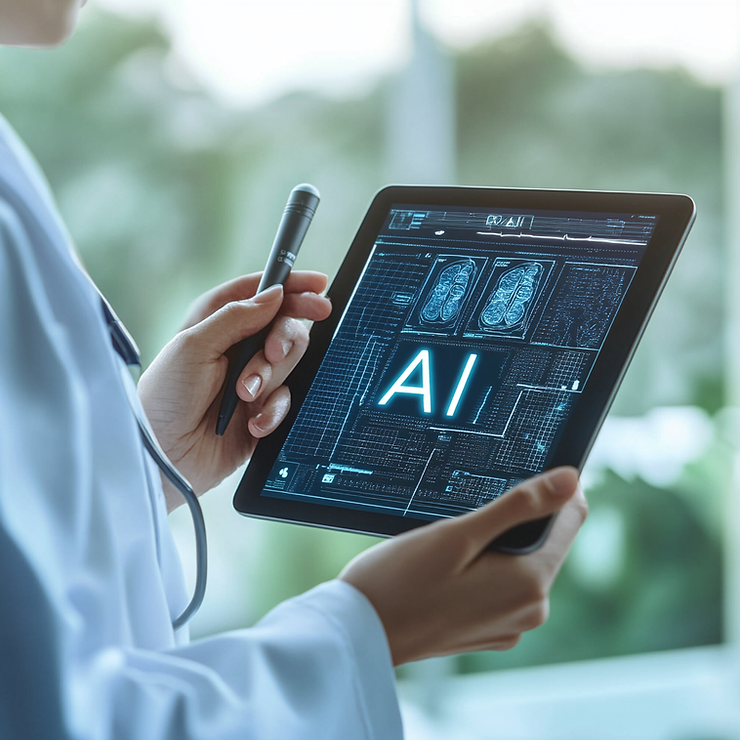
The healthcare sector is on the verge of a profound transformation, driven by the power of AI. While we focus on how technology can improve care, it becomes increasingly clear that the real transformation goes beyond technical innovation alone. It’s about a cultural mindset shift within healthcare institutions.
AI has the potential to automate repetitive administrative tasks, reduce wait times, and increase efficiency. Think of AI systems that analyze and summarize patient records, schedule appointments, and perform predictive analyses to signal complications early.
While AI can deliver impressive results, human connection remains essential. Patients value empathy and personal attention—something technology cannot replicate.
The success of AI implementation in healthcare depends on a culture that stimulates collaboration, learning, and adaptation. Healthcare professionals must be involved in the development and implementation of AI tools.
The transition to an AI-driven healthcare environment comes with challenges:
- Training and acceptance: Many healthcare providers feel insufficiently prepared.
- Technological integration: Connecting AI to existing healthcare systems can be complex.
- Ethical considerations: Safeguarding privacy and ethics is crucial.
Healthcare institutions that invest now in both technological and cultural changes will make the difference in the future.
Conclusion — AI has the potential to fundamentally transform the healthcare sector. But to fulfill this promise, we must look beyond tools and technology. It’s about creating a culture where collaboration, learning, and empathy are central.